
.png?width=48&height=48&name=Adrian%20(1).png)
Unraveling the etymology
The term 'e-commerce,' originating around the 1960s and 1970s, encapsulates the meld of traditional commerce and digital methods, symbolized by the hyphen. As digital transactions burgeoned, the shift to 'ecommerce' or 'eCommerce' mirrored the technological and cultural evolution. Varied spelling preferences across sectors and regions reflect a blend of tradition and modernity in the dynamic digital marketplace.
Standard usage across platforms
Different authoritative platforms have varied preferences.
The Associated Press (AP) Stylebook
, a trusted grammar reference, leans towards ‘e-commerce’, holding onto the hyphen as a symbol of its etymological roots: “
AP uses hyphenated e- for generic terms such as e-commerce and e-strategies. One exception: email (no hyphen, which reflects majority of usage). For company names, use their preference: eBay.
”
However, as digital commerce becomes more commonplace, some experts suggest that the hyphen is becoming obsolete, paving the way for ‘ecommerce.’
Adoption by renowned institutions
Leading platforms like
Amazon
and Shopify exhibit varied spelling preferences for electronic commerce, with Amazon adhering to the traditional 'e-commerce' and Shopify favoring the streamlined 'ecommerce'. This choice reflects their respective brand identities and target audiences. Despite the variance, each platform maintains consistency in spelling within its communications, impacting industry trends and potentially influencing emerging businesses and
SEO strategies
. The spelling choice, while seemingly minor, communicates a brand’s values and can have a ripple effect across the digital marketing landscape, underscoring the nuanced importance of the 'e-commerce' versus 'ecommerce' discussion.
The emergence of 'eCommerce'
Another variant in the mix is 'eCommerce'. This spelling, with a capital 'C', emphasizes the 'commerce' aspect while retaining a nod to its electronic nature. Some brands prefer this spelling as it merges tradition with modernity, offering a fresh yet respectful nod to the industry's roots.
SEO implications
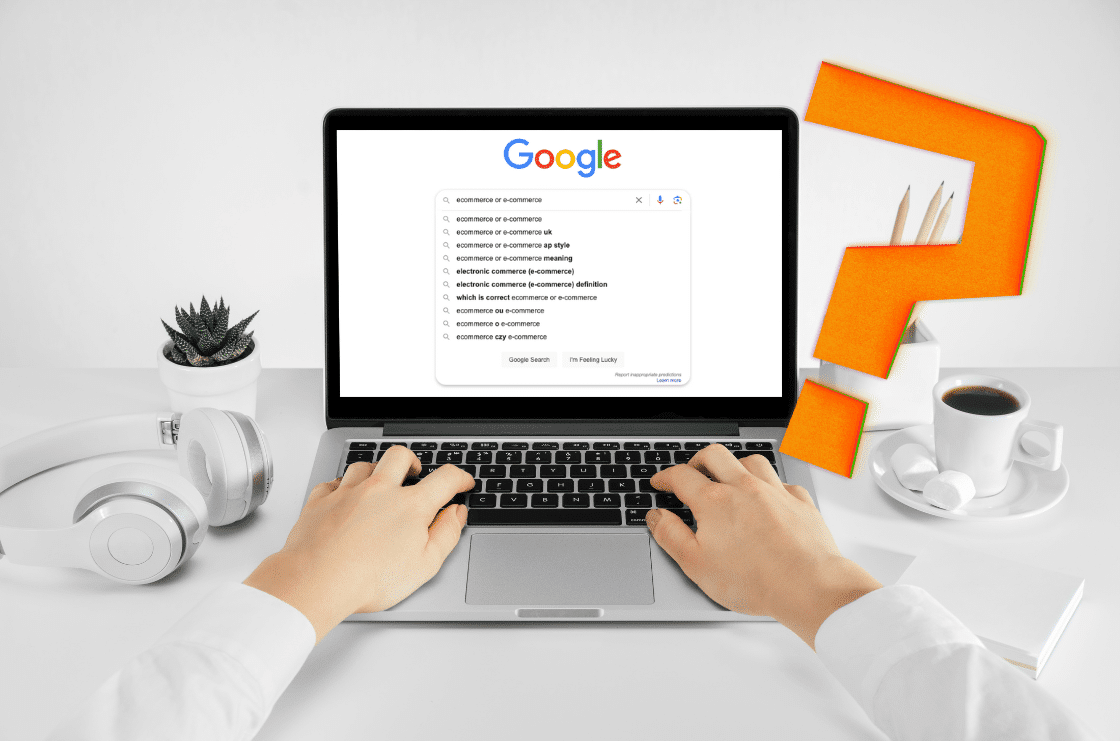
SEO is a vital aspect of digital marketing and the choice between ‘e-commerce,’ ‘ecommerce,’ and ‘eCommerce’ can have slight implications. Search engines often treat them as separate keywords. It’s advisable to research which spelling is more prevalent in your industry and region, and tailor your content accordingly.
According to
Semrush
, in the US “e commerce” has more search volume than “e-commerce”, it’s the same for the UK.
The verdict
The choice largely boils down to personal or organizational preference, and there's no universally accepted standard. What's crucial is
maintaining consistency across all digital assets to ensure a coherent brand identity
.
The variance in spelling - ‘e-commerce,’ ‘ecommerce,’ or ‘eCommerce’ - reflects the digital marketing landscape's dynamic nature. Whether you're a traditionalist or modernist, picking a spelling and sticking to it is key to establishing a robust digital presence in the fast-paced e-commerce/ecommerce/eCommerce world.
.png?width=64&height=64&name=Adrian%20(1).png)
Adrian Gmelch
Adrian Gmelch is Director of Content at Lengow, where he leads content strategy while staying firmly hands-on: reading the research, and tracking the trends that matter before they go mainstream.
Table of content
Is your catalogue ready for AI Shopping?
Discover what AI assistants look for, how products get selected and what you can do now to stay visible in the new shopping journey.


.png)