
The Sports Brands that are Changing the Game
Adidas’ Omnichannel Strategy
Back in 2016, Adidas chose a disruptive strategy by providing its customers with the Adidas glitch app , which users could use to design their own custom Glitch football boots and then pick them up in-store. Before designing the shoes, users had to use an invite code that they could obtain by searching the hashtag #Glitch16 and finding a code that someone has shared. From there, they could buy a starter pack and unlock more invite codes to share on. In addition, users could get access to a sizing guide, video demonstrations to see how the boots actually look on, and the ability to book a personal fitting and trial session. Why was this tactic so disruptive at the time long before Live Shopping ? This app blended m-commerce and a well-structured omnichannel strategy perfectly, allowing customers the ability to shop for an exclusive product from their mobile phone, with a delivery method that suits them. Today Adidas has gone a step further and is currently experimenting with Metaverse Marketing , as a way to connect to Gen Z which is present in gaming platforms such as Discord, instead of the good old-fashioned Facebook. According to Adidas' CMO, Web3 should be part of every brand’s omnichannel retail strategy as it is now part of this new generation’s life, and by creating micro-communities and NFT tokens in the virtual world, Adidas has shown its competitors that it is possible to make sportswear brands relevant to younger audiences.
Nike’s Omnichannel Strategy
Another innovative example of an omnichannel strategy is Nike. Nike has also set the bar high and in 2018 the sports brand launched the Nike app . Since then, buyers can use it to reserve items and buy them later in physical stores, get exclusive discounts through the Nike Members Rewards program, and access useful information by using their smartphones to scan items in-store. This innovative approach actually replicates how today’s buyers in physical stores are behaving: according to a global Airship report , two-thirds of customers research products or even make purchases in-store using their mobile devices. Nike’s omnichannel strategy has therefore gone a step further since its 2015 digital retail experience, which consisted of letting customers experience shoe shopping through social media and modern technologies, allowing visitors to get real-time product availability and sizing information, just by placing the shoes on the table, for instance, or even let football fans find, customise, and order their favourite team products in a digital retail kiosk with a 65″ touch display.
Use Local Inventory Ads to Upgrade your Omnichannel Strategy
One of the best ways to boost your site’s omnichannel strategy is to use Local Inventory Ads from Google. These allow retailers to show their products on Google search result pages (SERPs), with information about whether the product is in stock at the shopper’s nearest store. They also help sellers connect both their online and their physical store and give customers a way of getting their products at their convenience.
Decathlon Italy: The Success Story of a Sports and Outdoors Retailer
The well-known sports and outdoor retailer Decathlon has launched Local Inventory Ads (LIA) in Italy as part of its omnichannel strategy. As a leading e-commerce automation platform, Lengow assisted the company in distributing 200,000 products on Google in just four months and decreasing the Cost Per Store Visit and the Cost Per Click, as well as increasing the Click Through Rate. Apart from Google LIA , Decathlon Italy intends to become the first Italian merchant on Facebook LIA and is considering doing the same on Criteo LIA in the future. These results demonstrate that although distributing an extensive product catalogue across multiple channels may be challenging, automation platforms like Lengow can be the best ally to succeed in your omnichannel retail strategy.
Tegan Marlow
Table of content
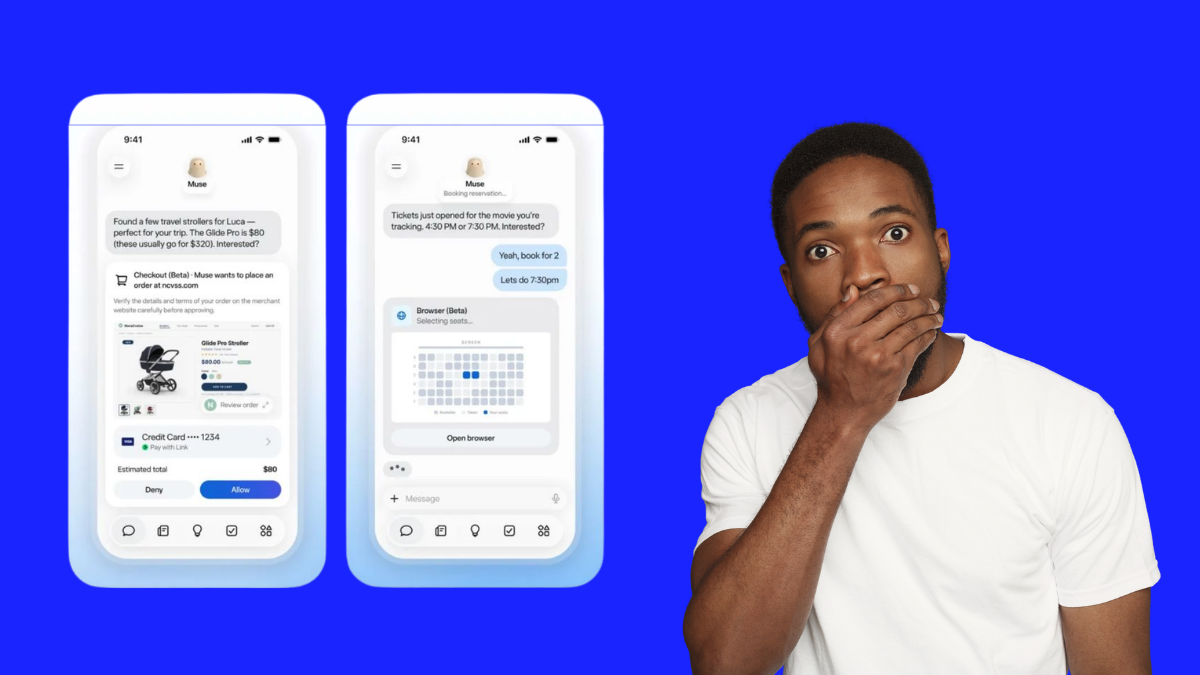
Is your catalogue ready for AI Shopping?
Discover what AI assistants look for, how products get selected and what you can do now to stay visible in the new shopping journey.
.png)