

.png?width=48&height=48&name=Adrian%20(1).png)
1/ The Impact of E-commerce on Price Competition
E-commerce has undeniably increased price competition across various markets. The ease of online price comparison, the vast number of alternatives available to consumers, and the transparency of the digital marketplace have all contributed to an environment where price is a primary differentiator for brands ans retailers. Let’s get into more details:
- Ease of price comparison: Online platforms (such as idealo) have made comparing prices effortless for consumers. Tools and websites dedicated to price comparison empower customers to find the best deals, forcing sellers to be more competitive in their pricing.
- Global reach and increased competition: E-commerce breaks down geographical barriers, exposing businesses to global competition. This wider market means more competitors, each vying for customer attention primarily through pricing. The launch of Chinese platforms and marketplaces in Europe (Shein, Temu), which are engaged in a fierce price war, has led to increased competition, even for the leader Amazon.
- Consumer expectations: The digital age has also shifted consumer expectations. With so many options a click away, customers are less loyal and more price-conscious, pushing businesses to constantly adjust their pricing strategies.
2/ Understanding Competitive Pricing
Competitive pricing is a strategy where retailers (or brands) set their product prices based on what competitors are charging . In the context of e-commerce, where prices are highly visible and easily compared, this strategy becomes even more critical. It matters for several reasons:
- Customer price sensitivity: With tools for price comparison at their fingertips, customers often make purchasing decisions based on pricing.
- Market share and visibility: Competitive pricing can enhance visibility on e-commerce platforms where products are often ranked based on price.
- Profit margins and sales volume: A well-balanced competitive pricing strategy can increase sales volume, potentially offsetting lower margins.
3/ Strategies for Implementing Competitive Pricing in E-commerce
Having a flexible and responsive pricing strategy is vital. Here are some key strategies online sellers can employ to stay competitive:
Automated Price Monitoring
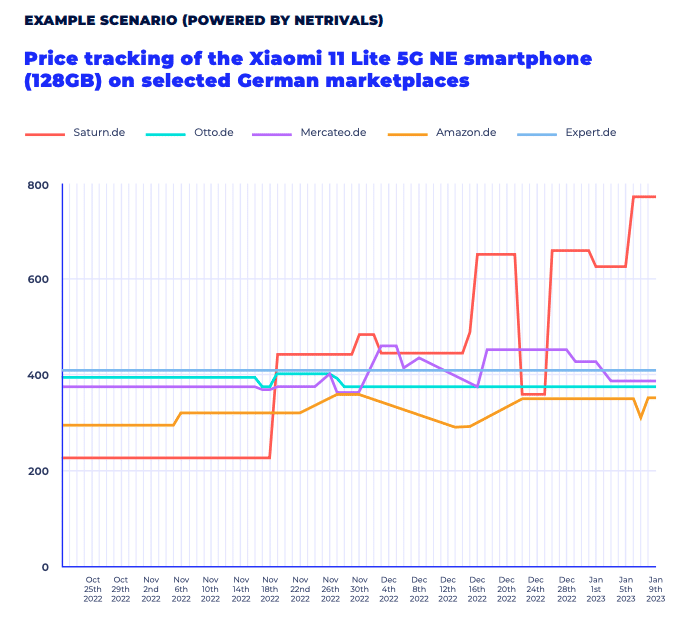
Embracing technology for real-time price monitoring is a game-changer. Automated tools can track competitor prices, providing retailers with up-to-the-minute market data. This enables quicker response to market shifts, ensuring that pricing strategies remain relevant and competitive.Dynamic Pricing Models
Adaptability is crucial in the e-commerce landscape. Dynamic pricing models allow online sellers to adjust prices based on current market demand, inventory levels, and consumer behavior trends. This approach ensures that prices stay competitive and aligned with market dynamics.Value-Based Pricing
This strategy involves setting prices based on the perceived value of a product or service to the customer. It's a fine balance of assessing the quality, brand reputation, and overall customer experience against the cost. Value-based pricing goes beyond mere competition; it's about positioning the brand in the consumers' minds.4/ Case Study: Productpine's Pricing Revolution with Netrivals
Productpine, a sustainable D2C marketplace from the Netherlands, known for promising its customers the best market prices, faced a challenge. Manually tracking prices was becoming an arduous task, consuming countless hours. Employees were bogged down with Excel sheets, collating product information and painstakingly updating prices for each sales channel. This labor-intensive process limited their ability to reprice all desired products effectively. The solution? Automating their price tracking and adjustment process. Productpine turned to Netrivals , a tool that provided everything they needed to scale their pricing strategies efficiently. Netrivals' price monitoring capabilities gave Productpine a constantly updated market overview. More importantly, its repricing tool, equipped with dynamic pricing features, allowed Productpine to adjust prices according to preset rules, maintaining their competitive edge in the market. The impact of implementing Netrivals was significant:
- A notable 15% increase in sales was observed, particularly for highly competitive products, as prices were updated swiftly and accurately.
- Customer service improved, with fewer pricing-related issues.
- Advertising costs were reduced, thanks to heightened market competitiveness.
.png?width=64&height=64&name=Adrian%20(1).png)
Adrian Gmelch
Adrian Gmelch is Director of Content at Lengow, where he leads content strategy while staying firmly hands-on: reading the research, and tracking the trends that matter before they go mainstream.


.png)