

A+ Content: what exactly are we talking about?
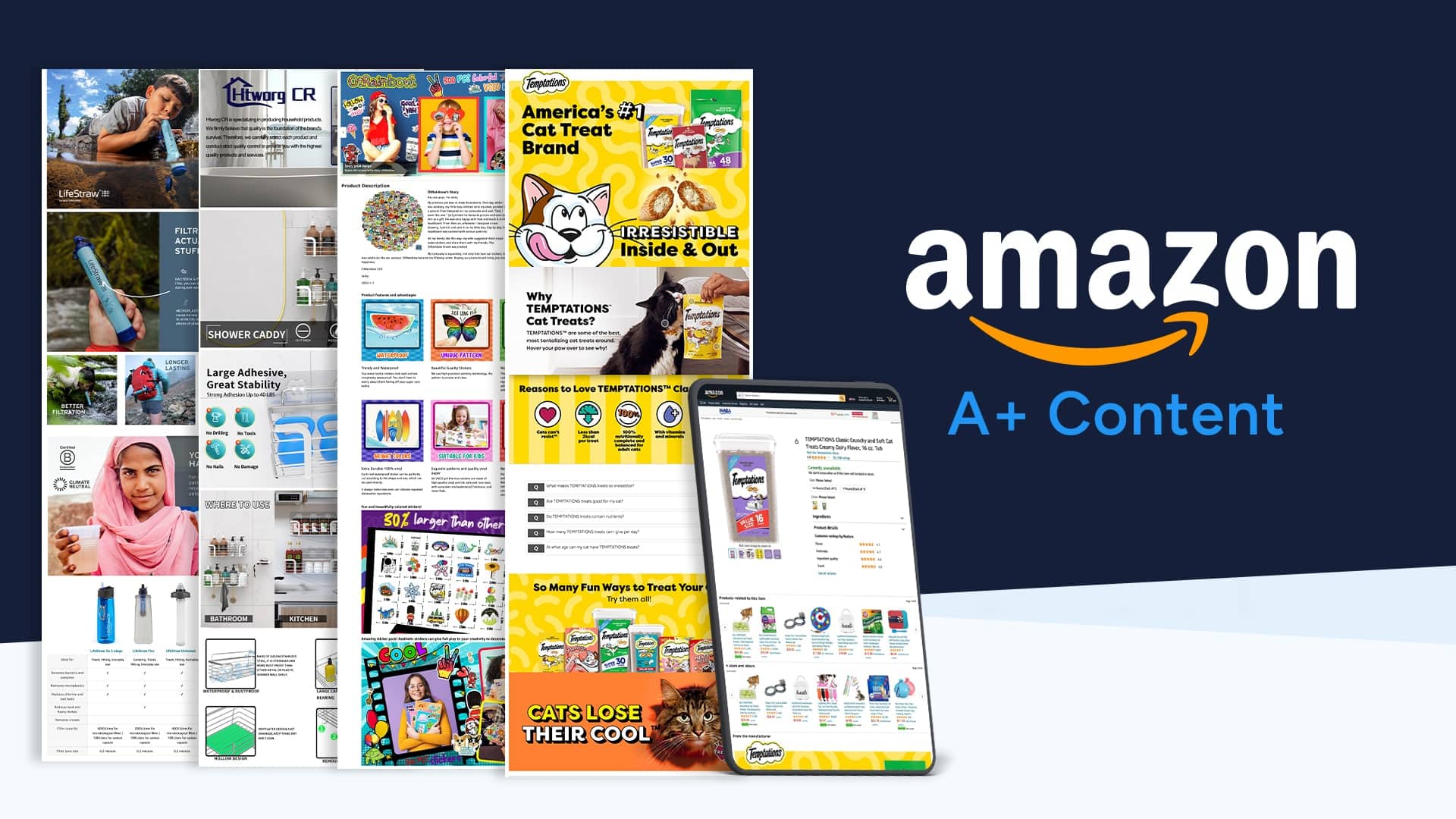
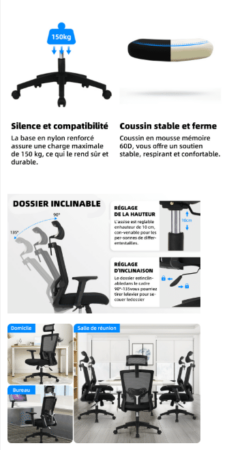
A+ Content is a feature offered to brands selling on Amazon via Vendor Central or Brand Registry. It allows them to replace the classic product description with enriched content: full-width visuals, comparison tables, interactive modules, brand storytelling, focus on product benefits, etc.
The goal? To increase conversion rates by reassuring the customer and enhancing the product and brand value proposition. Amazon even states that A+ Content can increase sales by 3 to 10% on average.
Amazon, pioneer of enriched product content
Initially launched under the name Enhanced Brand Content, this feature was designed to help brands stand out in an increasingly competitive environment. Amazon understood early on that consumers no longer settle for technical descriptions: they want inspiration, concrete demonstrations of product use, and a visual experience close to physical retail.
Available since 2016, A+ Content was one of the first formats of its kind to offer such advanced product page customisation.
This movement started by Amazon has since gained followers. It can legitimately be said that the American marketplace was the precursor of a trend now widespread.
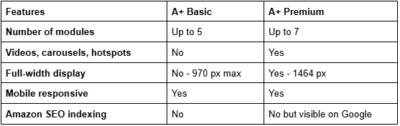
A+ Basic vs A+ Premium: what are the differences?
Mastering A+ Content on Amazon... means you are ready for all marketplaces
Selling effectively on Amazon with A+ Content is a bit like passing an expert level test in e-commerce. Why? Because Amazon is the most demanding marketplace in the market:
- It is the most competitive platform worldwide with hundreds of thousands of sellers in each category.
- It is extremely codified regarding content, images, internal SEO and editorial rules.
- It imposes strict standards on brands for product data quality (texts, visuals, specifications).
- It is also the most visited in Europe: more than 35 million unique monthly visitors in France alone.
Other marketplaces align... and draw inspiration from Amazon
Over time, other platforms have understood that enriched content means performance: more engagement, fewer product returns, better brand perception. Here is an overview of those who followed Amazon’s lead:
Cdiscount
The French platform offers partner brands enriched product pages with graphic templates. Thanks to its publishing interface, it is possible to:
- Integrate visual banners,
- Add differentiating elements by product category (notably high-tech, household appliances),
- Structure the message via narrative blocks or comparative visuals.
AliExpress
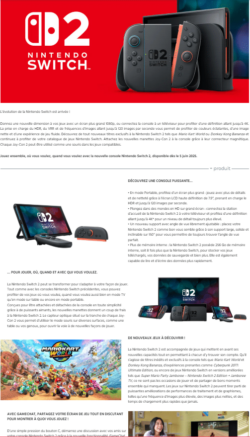
The Chinese giant has long adopted a strong visual logic, especially for its premium sellers. These can:
- Add demonstration videos,
- Create interactive storytelling,
- Display large immersive visuals.

La Redoute
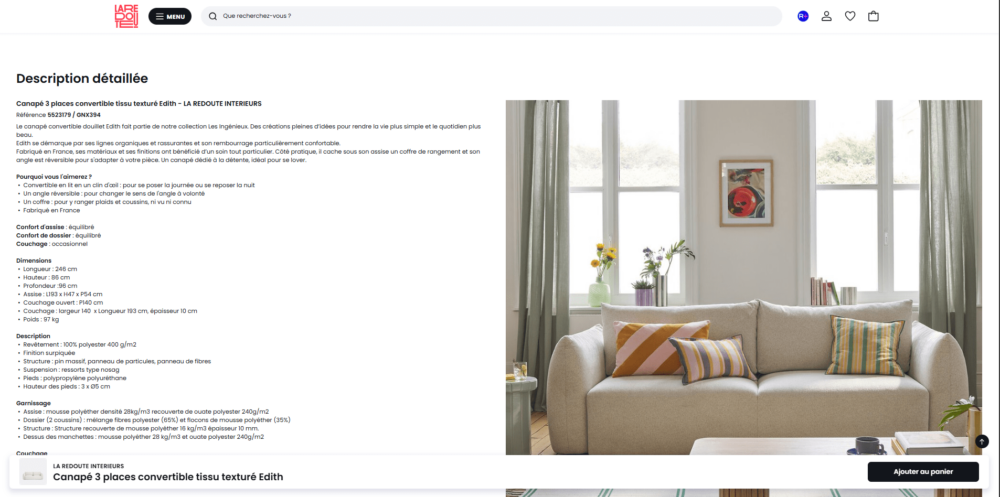
Historically rooted in textiles and home décor, La Redoute has gradually integrated enriched content blocks:
- Lookbooks or lifestyle visuals,
- Presentations by ranges or collections,
- Highlights of brand values (ethics, European manufacturing…).
Fnac/Darty
For electronics and household appliances brands, Fnac/Darty offers:
- Detailed sheets with technical visuals + usage guides,
- Integrated videos (notably on key products),
- Highlight sections for labels (warranty, innovation).
Carrefour
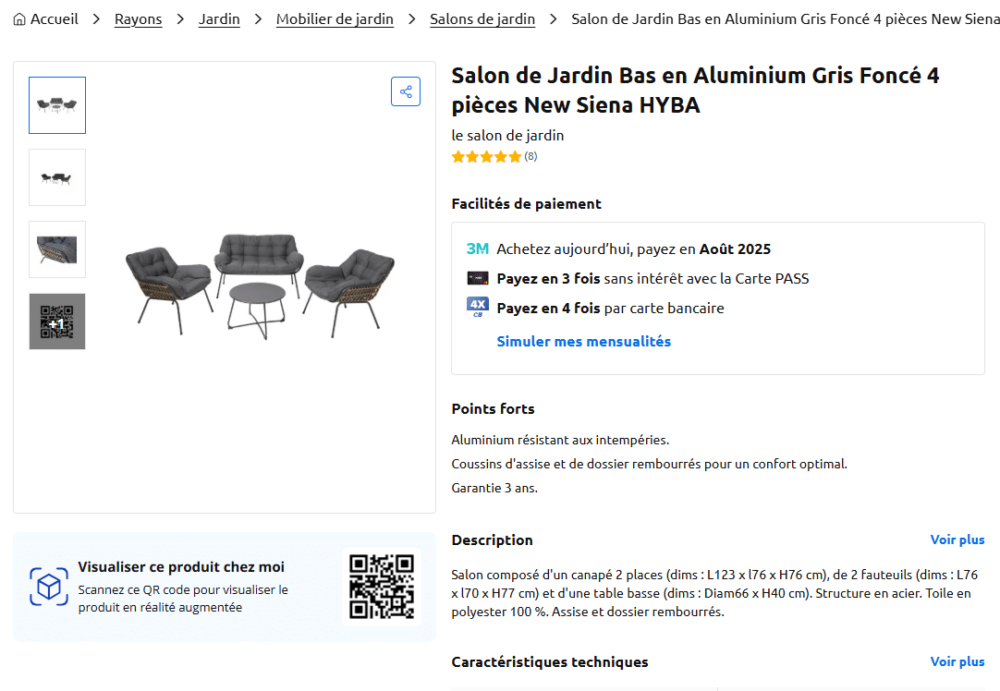
Carrefour’s marketplace is evolving rapidly, with integrations of:
- Dedicated brand pages,
- Enriched visuals and complete descriptions,
- Seasonal highlights (Christmas, back-to-school, Black Friday).
Towards a new e-commerce standard: immersion, emotion, conversion
Beyond a trend, enriched content has become an implicit consumer expectation:
- 60% of internet users expect dynamic and interactive visuals before making their purchase decision.
- Enriched pages significantly reduce product returns, as they address doubts upfront.
- They anchor the brand in a stronger imagination beyond the simple product.
Enriched content: a strategic lever for brands
In a context of advertising saturation and fierce competition, enriched content offers several advantages:
- Control of brand messaging on every sales channel
- Reduction of product returns thanks to better product understanding
- Strengthening omnichannel coherence
- Optimisation of internal marketplace SEO
Best practices for effective A+ Content
To maximise the impact of your A+ pages, here are some recommendations from the official ebook:
- Use high-quality lifestyle visuals → up to +86% conversion according to the official A+ Content guide.
- Structure your narrative: start with product benefits, develop brand story, finish with a strong visual CTA.
- Ensure mobile compatibility: essential in the m-commerce era.
- Test different modules according to your goals: comparison, storytelling, inspiration.
- Avoid common mistakes: overload of technical info, low-quality images, non-responsive content.
Three strategies to integrate A+ Content depending on your resources
Amazon recommends three approaches depending on catalogue size and available resources:
- Individual A+ pages for each product
- + Highly personalised, ideal for technical products
- - Time- and resource-consuming
- Generic A+ page for the entire catalogue
- + Easy to implement
- - Less engaging for customers
- Hybrid approach
- + Focus on high-potential pages (margins, traffic, seasonality)
- - Requires strategic selection beforehand
Conclusion: Amazon laid the groundwork, others follow
What was once called “A+ Content” is
becoming a basic requirement in brands
’ marketplace strategies. While Amazon initiated this movement, other platforms have clearly understood the benefit of giving sellers more flexibility to stage their offer.
In this battle to capture attention and convince in a few seconds,
enriched content has become a strategic playground. It is now up to brands to seize it intelligently.

Alexis Merelle
Alexis Mérelle est chargé du contenu et du SEO chez Lengow, où il transforme les données relatives aux places de marché et aux prix en articles, et observe l'impact de la recherche basée sur l'IA sur la découverte des produits.


.png)