
.png?width=48&height=48&name=Adrian%20(1).png)
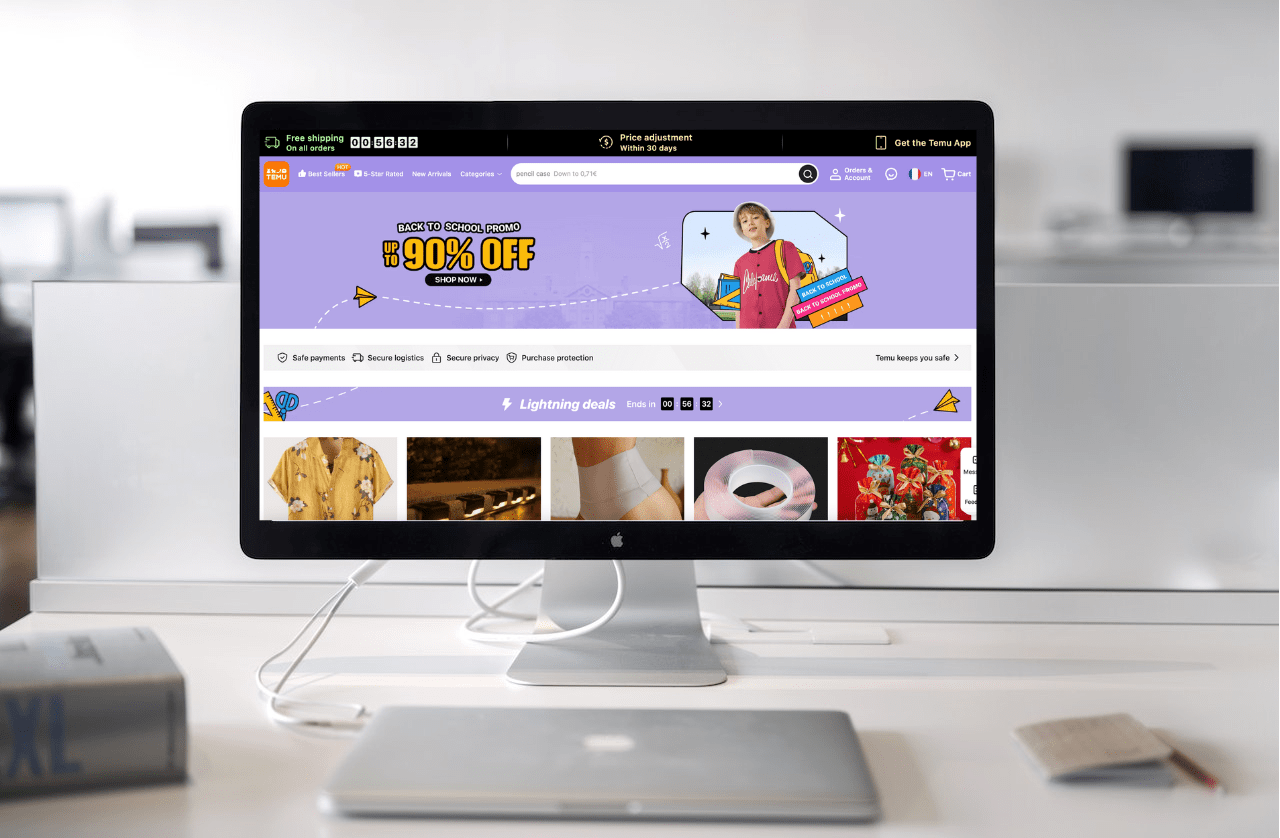
What You Need to Know About Temu
Is Temu right for you? Before you consider stepping onto the Temu platform, it's imperative to introspect and gauge how its modus operandi aligns with the broader narrative and aspirations of your online business. Consider these pivotal insights:
- Origin matters: A predominant portion of the offerings on Temu hail directly from manufacturers situated in the heart of China, a logistical maneuver that ensures an unparalleled level of cost-efficiency.
- Bypassing the conventional: Temu has strategically positioned itself to foster direct engagements between manufacturers and sellers, thereby bypassing the traditional middlemen, which in turn translates to further cost reductions.
Uploading Products on Temu
Once you're aligned, the onboarding is straightforward:
- Register as a merchant (you need to contact Temu via email)
- Upload your product catalog and data
- Await a 3-5 day approval period (swift and automatic if you're a Pinduoduo veteran).
- Use marketplace insights and customer feedback to finetune your listings.
What Products and Categories are Allowed on Temu?
Temu stands out as a generalist marketplace, offering a wide variety of products similar to platforms like Amazon. From detailed “Arts, Crafts & Sewing”, practical “Bags & Luggage”, advanced “Smart Home” devices, to the latest in “Electronics”, Temu caters to a broad consumer base. However, it's essential for sellers to be informed. All items listed on Temu must comply with federal, state, and local regulations. Moreover, adherence to Temu's policies is non-negotiable. Products must align with all relevant laws, and if they don't, Temu reserves the right to take appropriate actions, which might include warnings or removal of the product listing. For clarity, while Temu offers a vast range of products, there are limitations. What’s off the table? A few examples:
- Animal Products
- Counterfeit products.
- Drugs or related items.
- Fresh Food and Beverages
- Recalled items.
- Weapons & Firearms.
- Goods supporting illegal activities.
Your Temu Low-price Strategy
For any brand to flourish within Temu, a meticulously crafted low-price strategy is indispensable. To thrive, consider:
- Temporal Pricing Dynamics: Ebb and flow your pricing based on the rhythmic dance of seasonality and overarching business landmarks.
- The Alluring Prelude: Entice your nascent audience with an irresistible inaugural price, creating a foundation for subsequent brand elevation.
- Volume as a Virtue: Design enticing propositions for bulk acquisitions, fostering deeper customer entrenchment.
- Outsmart the Adversary: Remain perennially vigilant, ensuring your pricing is a step ahead, yet grounded in strategy.
Monitoring the Competition
Regardless of your chosen approach, with heightened competition in budget-friendly markets, consistently tracking and evaluating competitor pricing is paramount. This vigilance ensures you remain adaptive to market fluctuations and maintain attractive price points. It's often challenging to sustain a healthy profit margin on platforms like Temu, given their competitive pricing. This is where price intelligence solutions like Lengow's Netrivals play a crucial role. Rooted in Big Data, Netrivals not only monitors industry pricing but also provides in-depth analysis, aligning with pivotal elements impacting profitability. By leveraging such tools, you can effectively navigate Temu's marketplace without compromising your revenue.
.png?width=64&height=64&name=Adrian%20(1).png)
Adrian Gmelch
Adrian Gmelch is Director of Content at Lengow, where he leads content strategy while staying firmly hands-on: reading the research, and tracking the trends that matter before they go mainstream.
Table of content
Is your catalogue ready for AI Shopping?
Discover what AI assistants look for, how products get selected and what you can do now to stay visible in the new shopping journey.


.png)