
.png?width=48&height=48&name=Adrian%20(1).png)
What is Multichannel E-Commerce?
Multichannel e-commerce is the practice of selling goods and services online t hrough multiple online channels, including online stores, marketplaces, social media platforms, and others to reach a wide range of customers. By utilising these various channels, brands and retailers are able to expand their reach to a broader audience, increase sales, and better engage with new potential shoppers. Multichannel e-commerce also allows businesses to better track their performance and analyse customer data, enabling them to make more informed decisions. With the help of technology, they can integrate their various channels to create a seamless experience for customers, allowing them to browse and purchase products from any device or platform.
Benefits of Multichannel E-Commerce
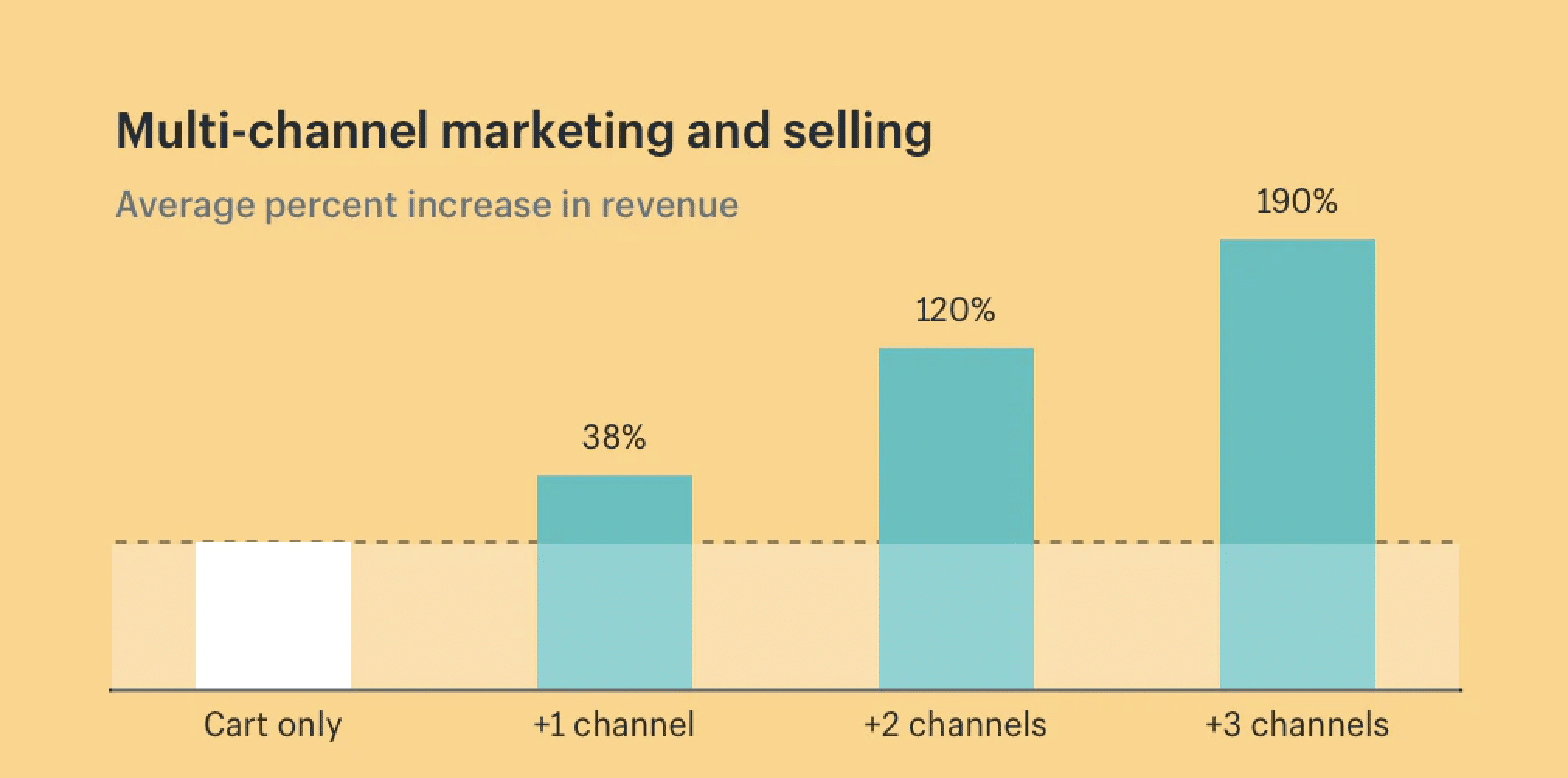
Multichannel e-commerce offers many benefits for businesses looking to expand their reach into global markets. It gives customers more options for discovering and purchasing products, and increases the visibility of a brand’s offerings. Additionally, brands or retailers can leverage the data collected from each channel to gain insights into customer preferences in order to better tailor their products and services to meet customer needs. Finally, they can also benefit from increased cost efficiency, as they can use the same inventory and infrastructure to serve multiple channels. All of these benefits can lead to increased sales, stronger customer loyalty, and improved brand recognition. By increasing the number of channels, multi-channel marketing and selling can increase profits by 38%, 120%, and 190% (see graph below, source: Shopify).
Challenges to Consider Before Going Multichannel
Before venturing into multichannel commerce, brands and retailers should consider the potential challenges they may encounter. One significant challenge is keeping track of inventory levels on various channels. It can be difficult to manage stock levels on different platforms, and it is crucial to ensure that customers receive the products they have ordered. Another challenge is providing excellent customer service across multiple channels. Companies must be able to promptly respond to customer inquiries and complaints, regardless of the platform the customer uses to communicate. It is also essential to consider the costs associated with operating multiple channels, such as hosting fees and marketing expenses. Finally, companies must optimise their multichannel marketing strategies to reach the appropriate audience. With careful planning and the right strategies in place, businesses can successfully tap into the potential of global markets through multichannel commerce.
Strategies for Global Market Expansion
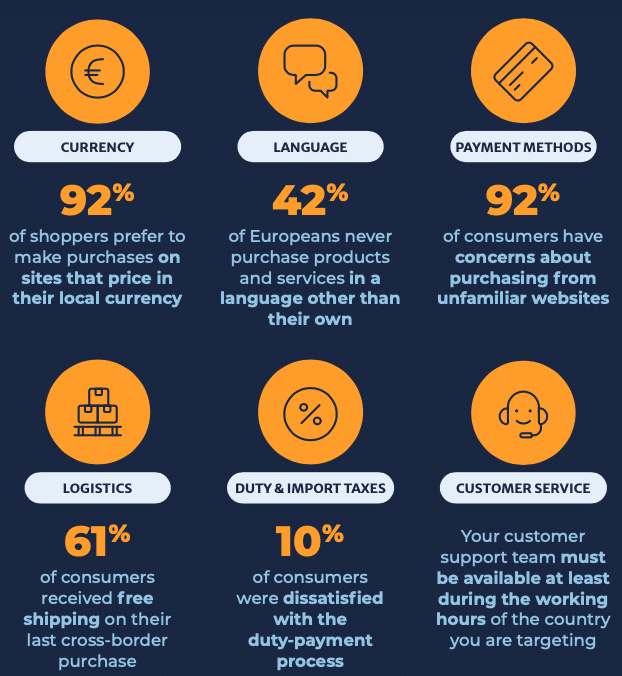
When expanding into new global markets, brands and sellers should consider a few strategies for success. First, it’s important to have a comprehensive understanding of the new market and its nuances. This includes researching the local culture, language, and laws to ensure compliance. Additionally, businesses should research the competition and customer preferences to create a customised approach. Second, companies should develop a strong multichannel e-commerce strategy. This includes having a website that is optimised for the local market, as well as local payment options. Additionally, they should consider leveraging local marketplaces and social media to reach new customers. Third, brands and retailers should consider partnering with a local fulfillment provider. This can help to reduce shipping costs and improve customer satisfaction. Additionally, businesses should consider offering localised customer service to ensure customers feel supported. Finally, businesses should invest in local digital marketing campaigns. This includes leveraging search engine optimization (SEO) and pay-per-click (PPC) ads to reach local customers. Additionally, companies should consider investing in influencer marketing and social media campaigns to reach new audiences. By following these strategies, businesses can successfully expand into new global markets and unlock the potential for increased sales.
Conclusion
This article has demonstrated the importance of multichannel e-commerce for businesses looking to expand into global markets. It has highlighted the benefits of having a unified approach to marketing, selling, and fulfilling orders across multiple channels. By leveraging the power of technology and data, businesses can create a seamless customer experience that is tailored to different markets and language preferences. With a multichannel e-commerce strategy, businesses can unlock the potential of global markets and drive growth.
.png?width=64&height=64&name=Adrian%20(1).png)
Adrian Gmelch
Adrian Gmelch is Director of Content at Lengow, where he leads content strategy while staying firmly hands-on: reading the research, and tracking the trends that matter before they go mainstream.


.png)