
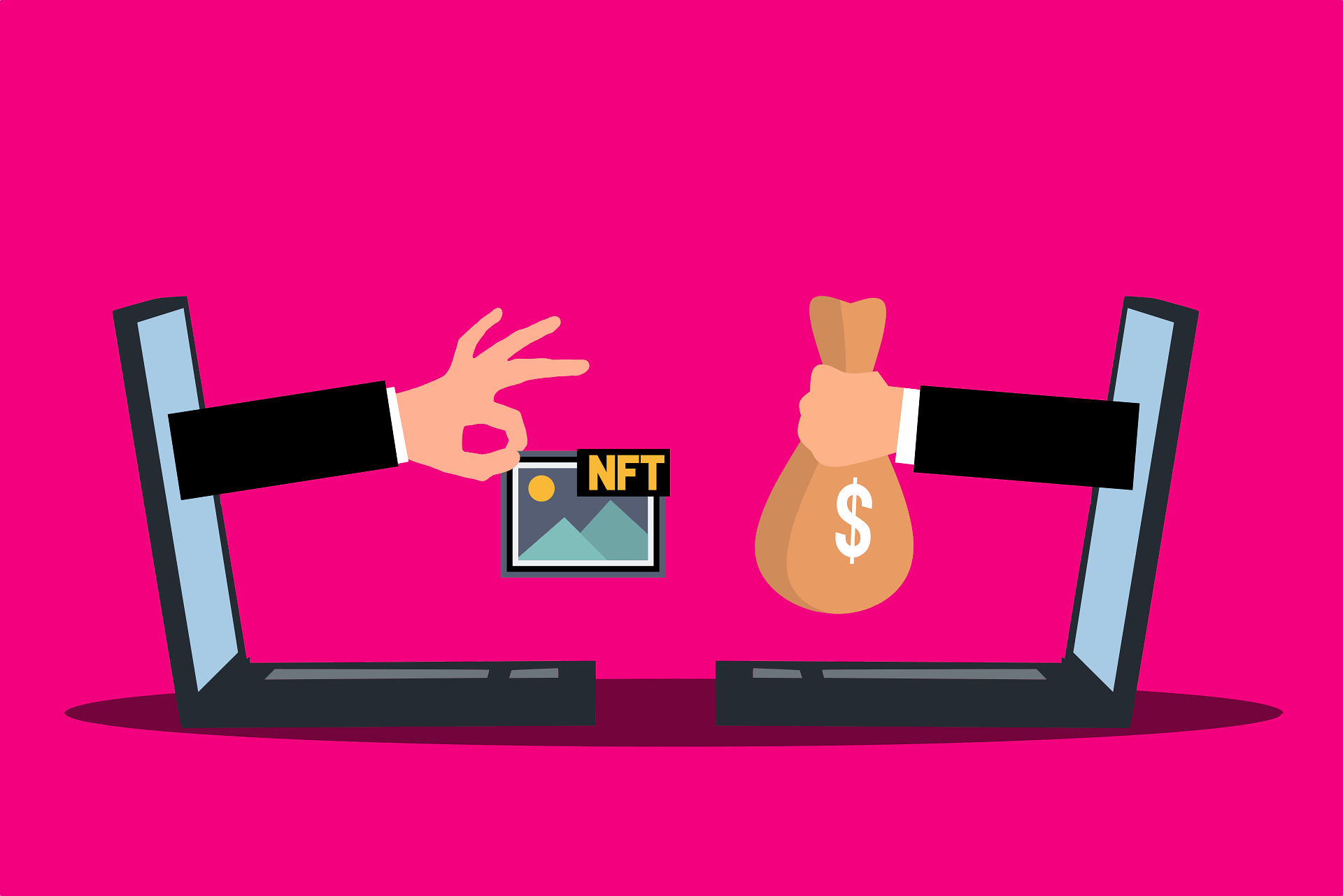

What is an NFT?
An NFT, or "non-fungible token," is a
unique and non-interchangeable digital asset
created on a blockchain (a public virtual ledger). Unlike cryptocurrencies such as Bitcoin, each NFT has unique characteristics that distinguish it from all others. They can represent digital or physical objects, such as artwork, videos, music, or even consumer products.
The Usefulness of NFTs in E-Commerce
NFTs offer numerous possibilities for e-commerce businesses:
- Authentication: They allow proof of authenticity and ownership of a product, particularly useful for luxury or collectible items.
- Exclusive Experiences: NFTs can provide access to exclusive content, events, or products, thereby enhancing customer engagement.
- Innovative Loyalty Programs: Businesses can use NFTs as unique rewards in their loyalty programs.
- Community Building: NFT holders of a brand often form an engaged community around it.
- New Revenue Streams: Selling virtual products as NFTs opens new monetization opportunities.
- Traceability: In the supply chain, NFTs can help track the origin and journey of products.
NFTs at the Heart of Marketing Innovation
The adoption of NFTs in e-commerce marketing strategies significantly impacts several key performance indicators, such as customer retention, satisfaction, repeat purchases, and resale activity. The graph below illustrates the results before and after NFT integration.
Credits:
Transforming commerce: The role of NFTs in enhancing customer engagement and loyalty
- Martin Louis
Next-Generation Loyalty Programs
NFTs offer brands the opportunity to create innovative and personalized loyalty programs. By 2025,
owning a brand’s NFT has become as common as following it on social media
. These digital tokens allow customers to access exclusive benefits, personalized discounts, and VIP experiences, thereby
strengthening their engagement with the brand
.
Exclusive Products and Limited Editions
Companies use NFTs to offer exclusive digital products or special editions of physical products. This strategy increases customer interest and excitement, as
they feel they are acquiring something unique and rare
.
Concrete Examples of NFT Use in E-Commerce
Arianee: Luxury Product Authentication Arianee, a French company, uses NFTs to guarantee the authenticity of luxury products. When a brand like Breitling sells a product, it creates a unique digital certificate in the form of an NFT. This certificate serves as a digital identity, proving the item's authenticity and providing access to exclusive services such as warranty, secure resale, and VIP benefits. Shopify: Selling Digital Products via NFTs Shopify enables merchants to sell digital products as NFTs directly on their online store . For example, musical artists use Shopify to offer exclusive albums or songs as NFTs, while fashion brands sell digital clothing or accessories for avatars in metaverses. Upon purchase, the customer receives an NFT that proves ownership of the digital product, which they can then resell or trade on compatible platforms. This strategy allows merchants to diversify their offerings, monetize digital creations, and strengthen customer engagement by providing unique products. Gucci and Nike: Virtual Fashion and Digital Sneakers Gucci has launched NFTs representing digital fashion items, while Nike has created virtual sneakers wearable by avatars. These initiatives have allowed these brands to reach new audiences and explore new forms of interaction with their customers. Coca-Cola: Charity Auction Coca-Cola sold unique NFTs at a charity auction, strengthening its connection with its target audience while supporting important causes.The Impact of NFTs on Digital Channels
Enhanced Customer Engagement
NFTs enable brands to increase customer engagement. The ability to purchase unique digital items or participate in special events makes
customers feel valued and connected
to the brand, significantly improving their loyalty.
New Monetization Opportunities
Selling NFTs opens up new revenue opportunities for brands. Virtual goods can be resold, creating a secondary market and additional revenue opportunities. Brands receive royalties for each NFT resale, ensuring recurring income even after the initial sale.
Integration into Metaverses
By 2025, NFTs are increasingly integrated into metaverses. Brands use NFTs to create virtual goods and services that can be purchased or used in different virtual worlds. Products such as avatar clothing, digital collectibles, and even virtual homes are becoming an integral part of daily life for metaverse users.
Conclusion
The integration of NFTs into digital marketing and e-commerce strategies
offers brands unprecedented opportunities to stand out
, retain their customers, and explore new business models. As we enter the era of Web3 and virtual economies, NFTs are emerging as an essential tool for companies looking to stay at the forefront of innovation and provide unique and memorable customer experiences.

Alexis Merelle
Alexis Mérelle est chargé du contenu et du SEO chez Lengow, où il transforme les données relatives aux places de marché et aux prix en articles, et observe l'impact de la recherche basée sur l'IA sur la découverte des produits.
Table of content
Is your catalogue ready for AI Shopping?
Discover what AI assistants look for, how products get selected and what you can do now to stay visible in the new shopping journey.


.png)