
Evolving Marketplace Dynamics
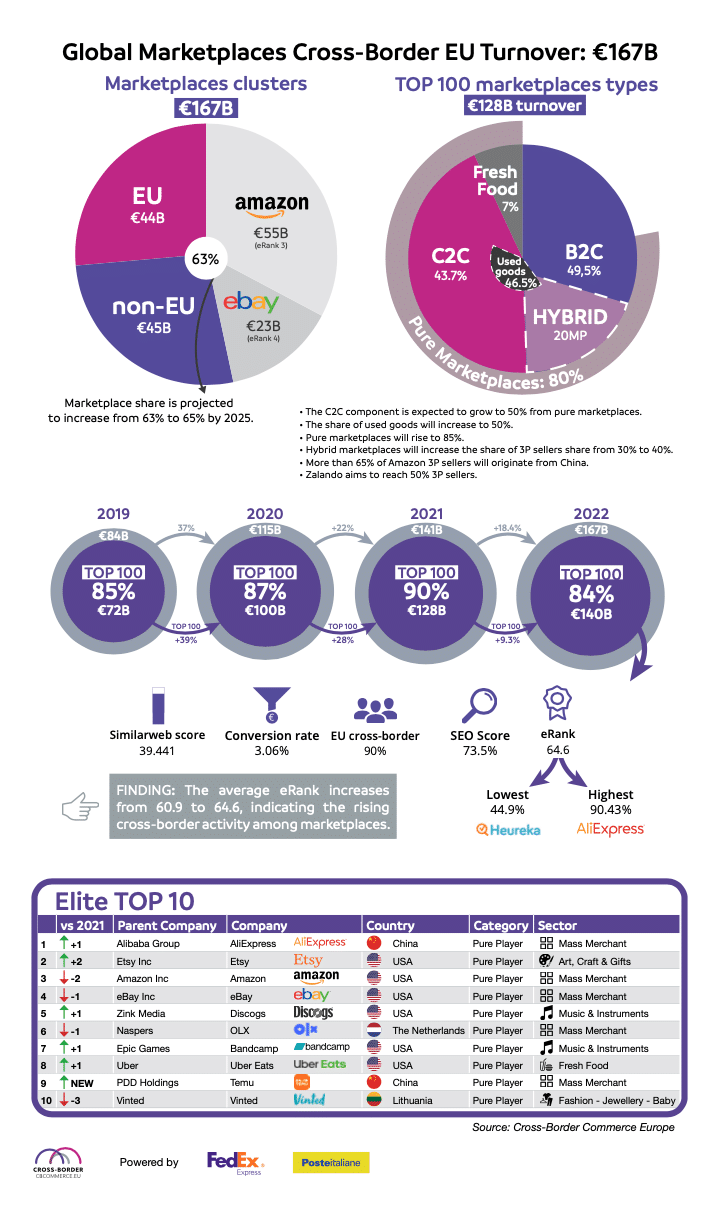
The narrative of cross-border e-commerce in Europe echoed a robust growth rhythm in 2022, with the turnover crescendo reaching a staggering €265 billion, without travel-centric transactions. Marketplaces were at the heart of this e-commerce symphony, orchestrating a remarkable €167 billion in sales. Industry titans like Amazon and eBay stood as vanguards of this marketplace brigade, amassing a combined turnover of €78.2 billion.
Europe's Cross-Border Marketplace Elite
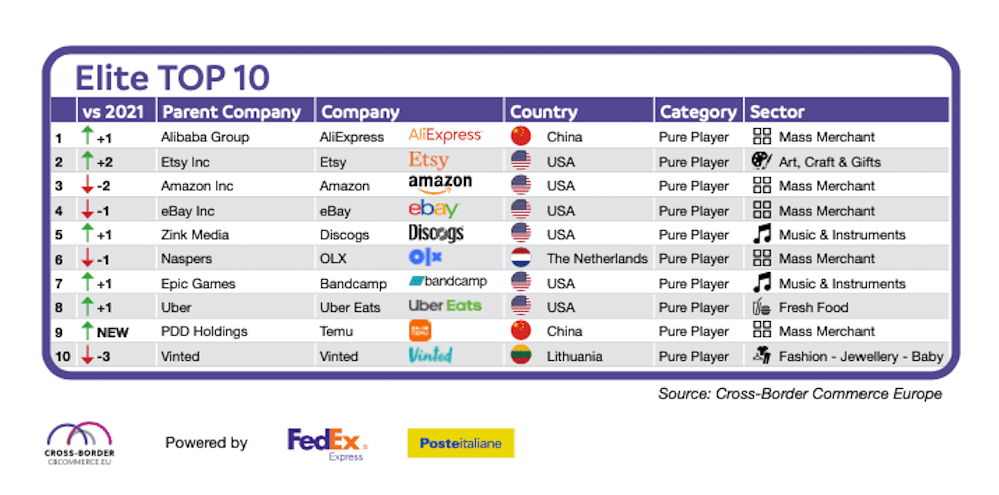
An annual endeavor by Cross-Border Commerce Europe unfolds a meticulous ranking of marketplaces that are the linchpins in the cross-border trading arena. The analysis is a concoction of myriad metrics ranging from cross-border online sales, SEO acumen, geographical expanse, and visitor footprints, culminating in a comprehensive dossier of the top 100 marketplaces. The podium is graced by AliExpress, Etsy, and Amazon, symbolizing a rich tapestry of marketplaces hailing from diverse global quarters.
Marketplace Growth Trajectory
The pandemic aftermath saw the marketplace sector in Europe on an upswing, registering a 9.3% growth, fueled by a coalition of hybrid B2C and pure C2C marketplaces. This ascension is forecasted to continue its skyward journey, with cross-border online sales envisaged to encapsulate 65% of the total online sales terrain in Europe by 2025.
China Reshaping Global Marketplaces...
China's robust e-commerce strategy is reflected in its production, sales, marketing, and distribution channels which are majorly controlled within its geographical and digital borders. This self-sustaining ecosystem is epitomized by marketplaces like Amazon, AliExpress, and the new entrant Temu, where a significant portion of third-party sellers hail from China. While this paradigm augments the Gross Merchandise Value (GMV) on these platforms, it also challenges traditional retail intermediaries in the US and EU, prompting a paradigm shift in the global retail arena. This burgeoning dominance, although a proponent of remarkable GMV figures, subtly critiques the existing global retail dynamics, urging a reflective re-evaluation.
“Made in China” eliminates domestic (US-EU) manufacturing, “Sold by China” eliminates domestic (US-EU) sellers, and “Marketed by China” is circumventing domestic (US-EU) retailers.
Hybrid vs Pure Marketplaces
The marketplace sphere is a theatre of evolution with hybrid and pure models engaged in a relentless quest for supremacy. Hybrid marketplaces, delineated by a medley of direct sales and third-party sellers, are carving a significant niche. Conversely, pure marketplaces, riding solely on the third-party seller bandwagon, are fortifying their bastions. The tableau is in constant flux with stalwarts like Amazon championing the hybrid model crusade, eyeing an elevation in their third-party seller faction to 65% by 2025.

Adrian Gmelch
Adrian Gmelch is Director of Content at Lengow, where he leads content strategy while staying firmly hands-on: reading the research, and tracking the trends that matter before they go mainstream.