
.png?width=48&height=48&name=Adrian%20(1).png)
What is TikTok Shop?
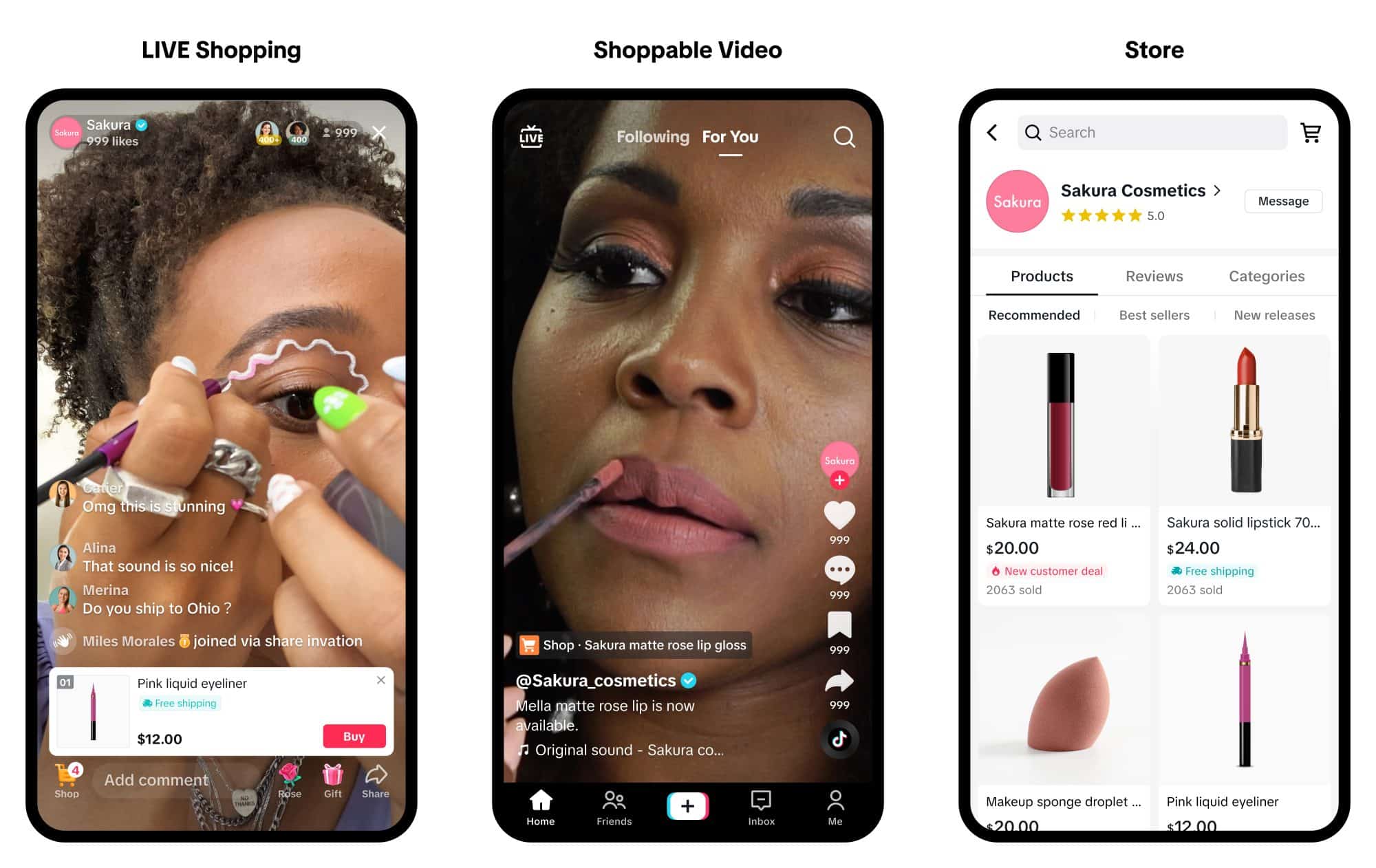
TikTok Shop is an integrated e-commerce platform within the TikTok app that allows users to explore and purchase products without the need to navigate away from the app. The unveiling of this feature marks TikTok's strategic move to transition from a platform primarily known for short-form videos to an interactive marketplace. It aims to leverage the spontaneity and engagement inherent in its platform to drive a new shopping experience.
How Does TikTok Shop Work?
Sellers can create a TikTok Shop account, list their products, and use the creative potential of TikTok’s video-centric platform to showcase their offerings. The feature allows in-app checkout, with users' billing and shipping details securely stored in their accounts for a seamless purchasing experience. TikTok's algorithm works behind the scenes to direct shopping-related content to users, providing a tailored shopping experience based on individual preferences and behaviors.
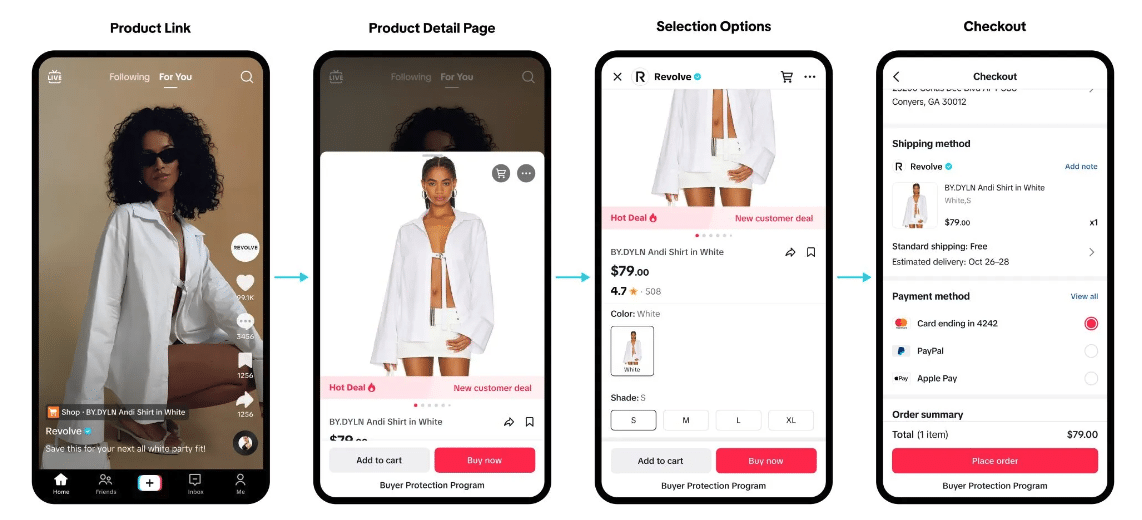
Image: TikTok Shop
Geographic Availability
In 2025, TikTok Shop continues its rapid expansion worldwide, solidifying its position in key markets. In the United Kingdom, where the platform launched in 2021, it has experienced exponential growth, surpassing
200,000 active sellers in 2024
. Sales volumes have surged, with some brands
generating up to $1 million in daily revenue
during peak shopping periods.
In the United States, TikTok Shop, introduced in September 2023, recorded
over $600 million in monthly sales by July 2024
, proving its potential in the North American market. In Southeast Asia, TikTok dominates social commerce, with Indonesia and Thailand among the countries where live shopping sales consistently reach record levels.
Across Europe, TikTok Shop has
gradually expanded into France, Germany, Italy on March 31 of 2025
and
in Spain and Ireland on December 11 of 2024. O
ffering brands new opportunities
for direct sales through immersive and engaging formats. This expansion has been accompanied by increasing adoption from influencers and content creators, who play a crucial role in product promotion on the platform.
With its unique model combining entertainment and commerce, TikTok Shop has now established itself as a major force in e-commerce, gaining widespread adoption among both consumers and brands.
Selling on TikTok Shop
The journey to becoming a seller on TikTok Shop is quite straightforward. Sellers can set up their shop, upload product listings, and start selling. They can also leverage TikTok's advertising tools to boost visibility and sales. Furthermore,
the
average order value on TikTok Shop in the U.S stands at $35, with 90% of customers expressing intentions to make future purchases.
If you're not ready to dive straight into setting up a shop on TikTok,
there's an alternative guide on mastering sales on TikTok available
. This guide is especially beneficial for those in European countries where TikTok Shop is being launched - and also for brands and sellers who prefer to drive direct traffic to their own online shops.
However, TikTok's aggressive push into e-commerce has not been without criticism. Some users feel that the platform’s increasing commercialisation is detracting from its original entertainment-driven appeal. Despite these concerns, TikTok remains steadfast in its ambition to dominate the social commerce landscape.
As of March 2025, the United States has not enforced a nationwide ban on TikTok. In January 2025, the U.S. Supreme Court upheld the Protecting Americans from Foreign Adversary Controlled Applications Act, which required ByteDance, TikTok's Chinese parent company, to divest its U.S. operations by January 19, 2025, or face a nationwide ban. However, ByteDance has not completed the divestiture, and the platform remains accessible in the U.S. This ongoing uncertainty has led many brands, influencers, and users—now referred to as "TikTok refugees"—to seek alternative platforms to sustain their audiences and revenue streams.
One of the biggest beneficiaries of this shift has been RedNote (Xiaohongshu), a Chinese social media platform that has quickly gained traction among American users. Following the announcement of TikTok's potential ban, RedNote surged to the top of Apple’s U.S. App Store, attracting waves of new users in search of a fresh digital marketplace.
Unlike TikTok, which thrives on impulse-driven purchases through viral videos, RedNote offers a more trust-based commerce experience, emphasising in-depth product reviews, lifestyle inspiration, and user-generated recommendations. This approach has resonated strongly with Gen Z and millennial shoppers, who prioritise authenticity and peer validation before making a purchase.
During major shopping events like Singles’ Day and Black Friday, RedNote has demonstrated its ability to convert high-intent users into buyers, making it a formidable player in the evolving social commerce landscape. With TikTok Shop facing an uncertain future in the U.S., RedNote is well-positioned to capitalise on this instability, drawing in both displaced sellers and consumers looking for a new hub for content-driven shopping.
Privacy Considerations
With the advent of TikTok Shop, the platform will have access to additional user data including financial details and shopping patterns. TikTok has assured that all such data for U.S. users is securely stored within the country and managed by a separate unit, USDS, to address privacy concerns. Nonetheless, this additional data collection is attracting scrutiny from lawmakers, adding a layer of complexity to TikTok's social commerce venture.
Final Thoughts
TikTok Shop represents a significant shift in social commerce, blending engaging content with seamless shopping experiences. Its rapid growth and expansive user base highlight its potential to reshape e-commerce dynamics. However, the platform's future, particularly in key markets like the United States, hinges on its ability to address regulatory and privacy concerns effectively.
.png?width=64&height=64&name=Adrian%20(1).png)
Adrian Gmelch
Adrian Gmelch is Director of Content at Lengow, where he leads content strategy while staying firmly hands-on: reading the research, and tracking the trends that matter before they go mainstream.


.png)