
.png?width=48&height=48&name=Adrian%20(1).png)
The Challenge of Pricing Integrity
Price transparency, made possible by online price comparison tools and marketplaces, is a double-edged sword. On one hand, it allows consumers to find the best deals, but on the other,
it exposes brands to non-compliant practices by certain resellers.
Take, for instance, a high-end cosmetics brand. By working with an extensive network of distributors, the brand aims to maintain a premium image while ensuring healthy margins for its partners. However, all it takes is a single reseller offering products at heavily discounted prices on a marketplace for the brand image to be impacted, other resellers to respond by lowering their prices in turn, creating a deflationary spiral, and the overall pricing strategy to be compromised, affecting direct sales and relationships with official distributors.
Unauthorised Sellers
The complexity doesn’t end there. A growing issue is the presence of
unauthorised resellers who acquire products through parallel networks and sell them without adhering to brand policies. This phenomenon, often linked to grey market sales, affects everything from consumer electronics to everyday goods. These actors disregard storage conditions, warranty validity, or customer satisfaction, resulting in:
- Underpriced products: Often offered at unsustainably low prices or presented in non-compliant ways.
- Damaged customer trust: Negative customer experiences can tarnish the brand’s reputation, even if the issues stem from unauthorised sellers.
- Strained distributor relations: Relationships with official distributors may suffer as they face unfair competition.
Key Trends to Watch
Several recent trends have made managing distribution networks more challenging for brands. Firstly,
the rise of marketplaces like
Amazon, eBay, and Cdiscount has multiplied sales channels, making it more difficult to control pricing and identify resellers. Secondly,
dynamic pricing algorithms, widely used by third-party sellers, automatically adjust prices in real time, often disregarding brand recommendations. Finally,
the growth of omnichannel retail, where online and in-store sales are interconnected, heightens the risks of pricing inconsistencies, with a distortion on one channel quickly impacting others. These developments require increased vigilance to protect brands' image and commercial strategy.
Example: The Battle for Control in Electronics
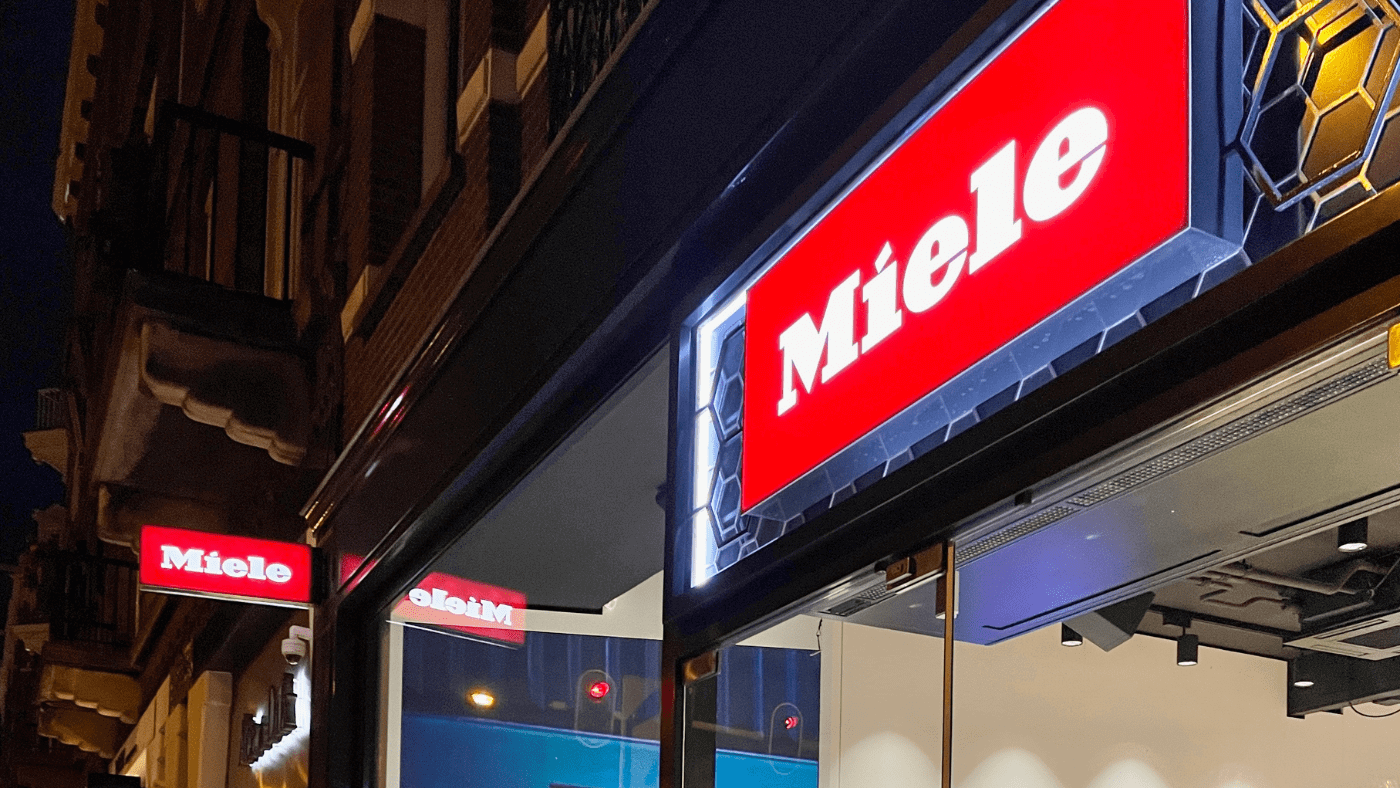
In the home appliances sector, German brand
Miele provides a telling example. Recently, the brand faced issues with unauthorised sellers on platforms like Amazon, who misused
protected product images, violating the brand’s intellectual property, or just
sold products they were not allowed to. Such practices create serious problems:
- Brand image at risk: Customers often associate these listings with the brand, even when they come from unauthorised sources.
- Unfair competition: Official distributors adhering to Miele's standards face challenges from non-compliant sellers.
- Customer perception challenges: Non-compliant listings or unusually low prices can distort consumer expectations.
Monitoring for Proactive Action
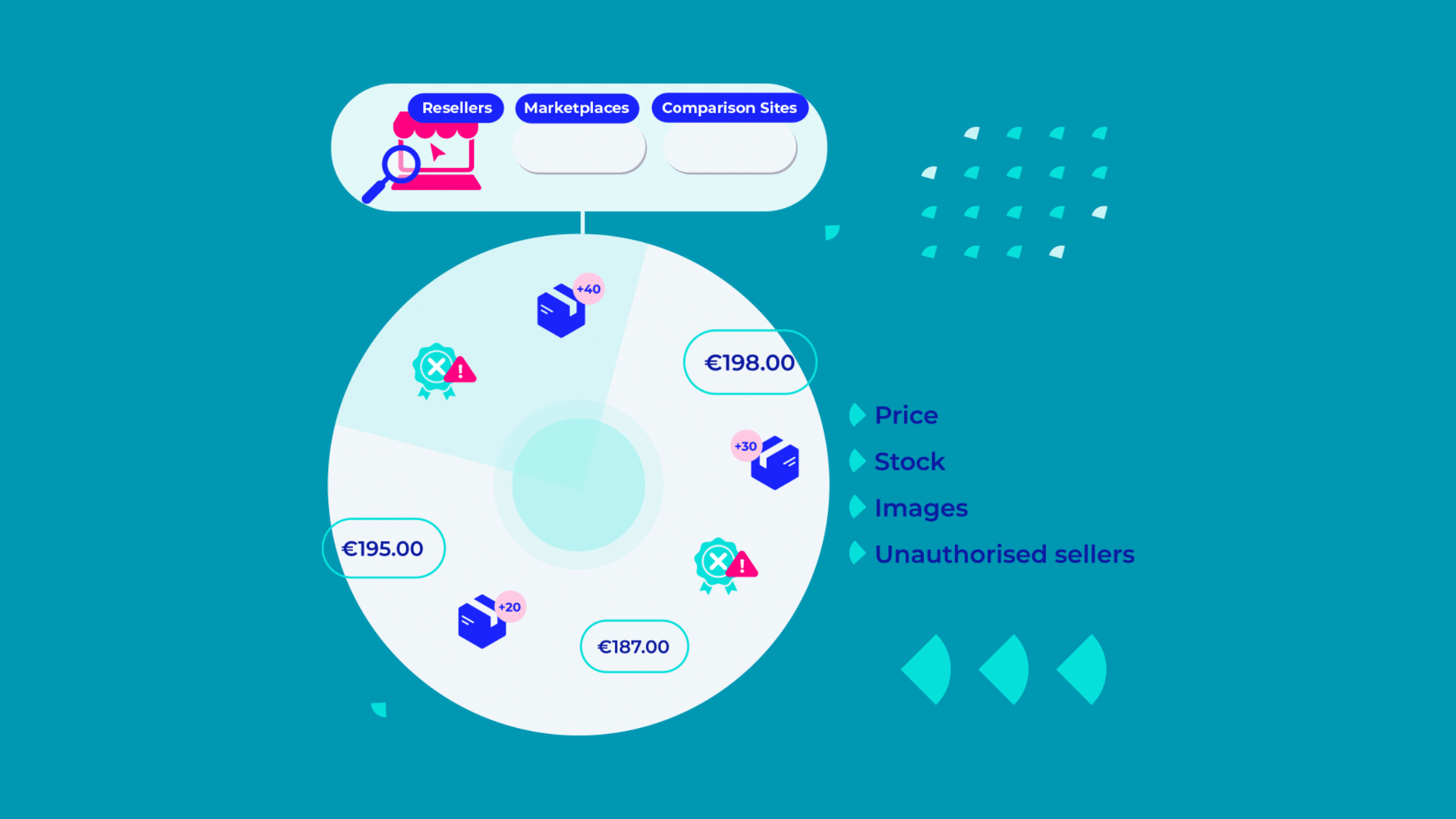
Faced with these challenges, brands would greatly benefit from investing in reseller monitoring tools. These solutions make it possible to
identify non-compliant or unauthorised distributors,
analyse price discrepancies across different channels and markets, and
protect brand integrity while maintaining strong relationships with official distributors. This is where
NetMonitor comes in, a solution designed to meet these specific needs. By providing comprehensive visibility across distribution channels, this tool enables brands to detect anomalies, act quickly, and protect their commercial strategies. Key features of NetMonitor include:
- Real-time price tracking: Identifying price discrepancies instantly.
- Detection of unauthorised sellers: Minimising the impact of grey market activity.
- Actionable insights: Informing strategic decisions with in-depth analysis.
Control Your Network to Secure Your Success
In today’s complex e-commerce environment, brands must remain vigilant to protect their image and ensure sustainable growth. Proactive reseller monitoring, supported by tools like NetMonitor, offers an effective way to meet these challenges head-on. Taking control of distribution channels is no longer optional but a necessity to stay competitive. As e-commerce continues to evolve, brands that adopt proactive strategies will remain the market leaders.
.png?width=64&height=64&name=Adrian%20(1).png)
Adrian Gmelch
Adrian Gmelch is Director of Content at Lengow, where he leads content strategy while staying firmly hands-on: reading the research, and tracking the trends that matter before they go mainstream.


.png)