.png?width=48&height=48&name=Adrian%20(1).png)
The numbers behind the headlines
Let's start with the statistic that keeps making the rounds:
Amazon generates 35% of its revenue from product recommendations
. That's roughly $70 billion of their $200 billion annual revenue stream.
But here's the crucial insight most people miss: that 35% isn't new money materializing from thin air. It's the extra shirt a customer buys after landing on Amazon to grab a pair of jeans. It's the phone case recommended after checkout.
The recommendation engine isn't replacing paid search or organic traffic. It's the multiplier on top of existing channels.
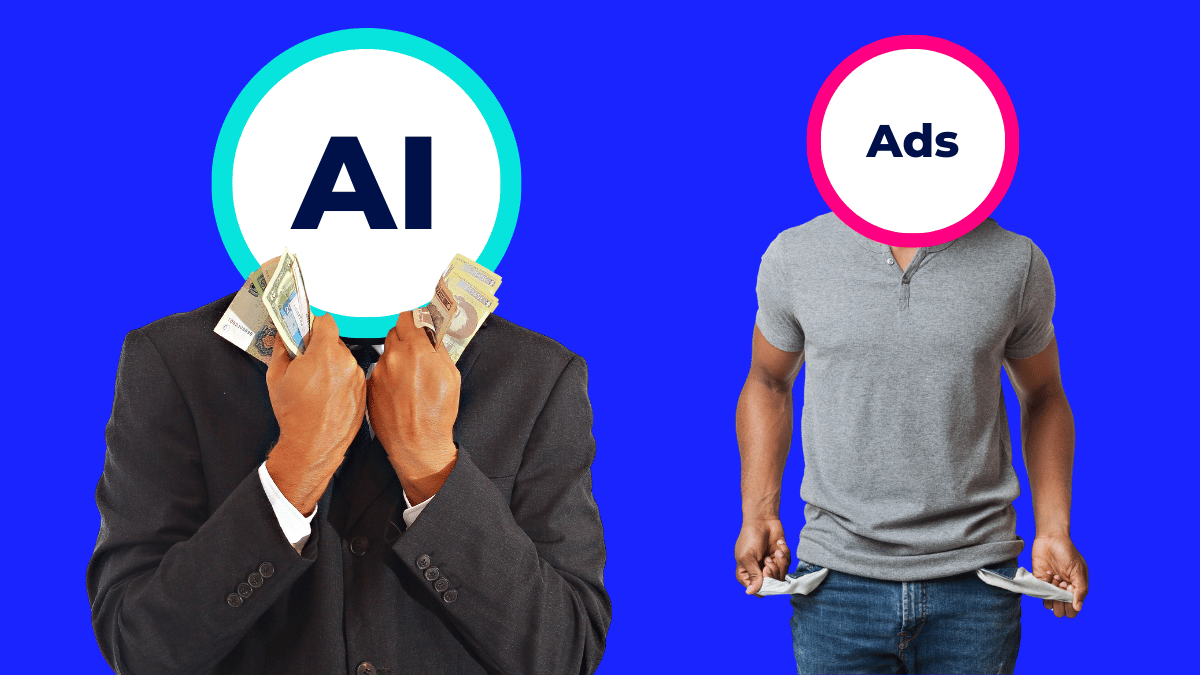
Think of it this way: paid ads and organic search bring customers to your site, while recommendation engines increase what they buy once they're there. Remove the paid ads? Traffic dries up. Remove recommendations? Your conversion rate collapses. They're teammates, not rivals.
Why billions "appear" from nowhere
Here's where measurement gets tricky. Traditional last-click attribution has been effectively blind to how AI recommendations actually contribute.
Picture this scenario:
- A customer sees your product in a Facebook ad
- They click through to your site
- Your AI recommendation engine suggests a complementary product
- The customer buys both items
The paid search reality: a different challenge
Now,
Google's AI Overviews are reducing paid ad clicks
, by roughly 34.5% in some cases. This is real disruption, but it's not because recommendations are stealing traffic. It's because users get answers directly from AI without clicking anywhere.
A customer searching "best waterproof phone cases under $50" gets an AI-generated summary right on the results page. They don't click. Your paid ad never gets a chance.
How smart marketers are responding
- Shifting from informational keywords (where AI provides direct answers) to high-intent, transactional keywords (where users still need to click to buy)
- Maintaining 40-50% of PPC budgets in paid search, but with surgical precision
- Allocating 5-10% to test new AI platforms
The hidden winner: organic search
Here's what anxious marketers miss:
organic search is more valuable than ever (yes, really!).
- Organic delivers 22:1 ROI versus paid search's 2:1
- 52% of AI Overview sources are already top 10 organic results
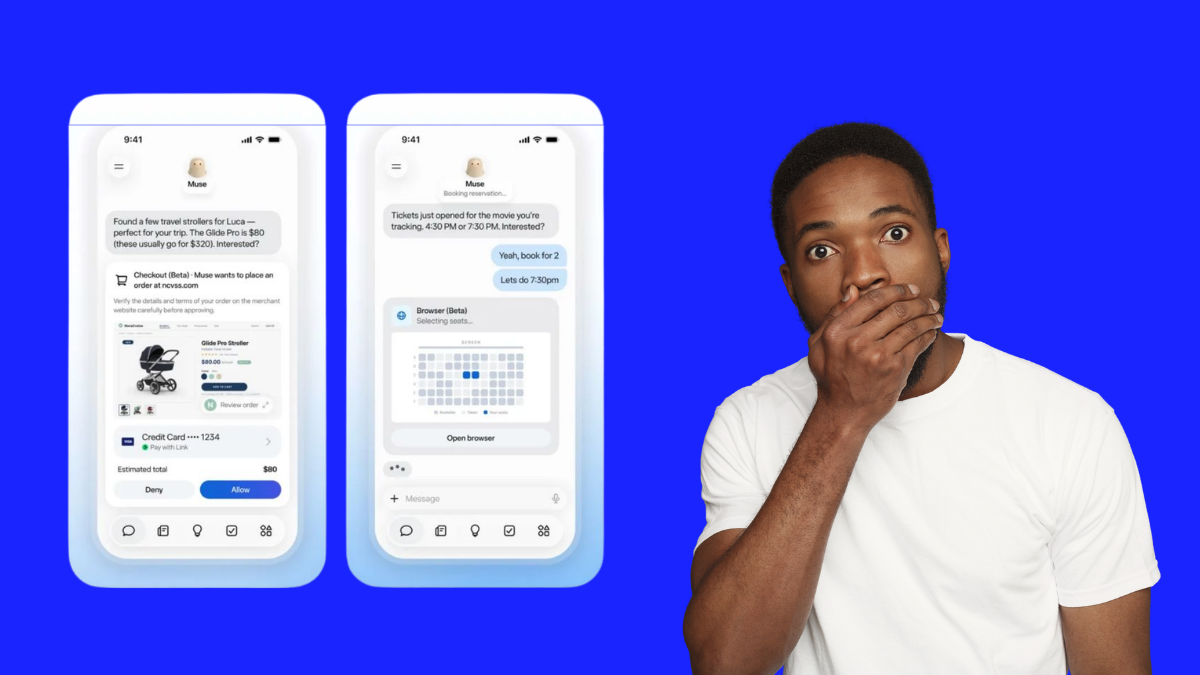
ChatGPT Shopping: the genuinely new channel
Shopify integrated 1 million stores into ChatGPT
, reaching 700 million weekly users. Brands like Glossier, SKIMS, and Spanx now sell directly in chat conversations,
paying only commission-based fees on actual purchases
.
This is genuine channel expansion, not cannibalization.
Early data suggests
competitive acquisition costs versus traditional paid search
.
The real shift: quality over quantity
The transformation isn't "AI versus paid search." It's the move from volume-based to quality-based acquisition.
Users from AI assistants convert at 4X the rate
of traditional search traffic. They're pre-qualified, they've researched, compared options, and know what they want before clicking.
You're trading high-volume, low-intent clicks for lower-volume, high-intent visitors. The math works:
- Fewer clicks from paid ads
- BUT 14% better conversion rates
- AND 20-40% higher order values
What to do now
- Audit paid search keywords – Reallocate from informational to transactional terms
- Check organic rankings – Your top 10 positions are your AI Overview foundation
- Review product feeds – Data quality is now a competitive advantage
- Set up assisted conversions in GA4 – See the full journey, not just last clicks
- Create a ChatGPT test plan – Start small with commission-based risk
Final thoughts
The "tens of billions" narrative is true. But AI isn't replacing your channels, it's amplifying smart decisions across all of them.
The brands winning right now aren't abandoning proven strategies. They're tightening paid search targeting, investing in organic content, optimizing product data, testing conversational commerce early, and fixing their attribution models.
The game is changing from reach to relevance, from clicks to conversions, from last-click to understanding the full journey.
The billions are real. But they're being built on top of your existing channels, not replacing them. And that shift? It's an opportunity for brands willing to evolve.
.png?width=64&height=64&name=Adrian%20(1).png)
Adrian Gmelch
Adrian Gmelch is Director of Content at Lengow, where he leads content strategy while staying firmly hands-on: reading the research, and tracking the trends that matter before they go mainstream.
Table of content
Is your catalogue ready for AI Shopping?
Discover what AI assistants look for, how products get selected and what you can do now to stay visible in the new shopping journey.
.png)